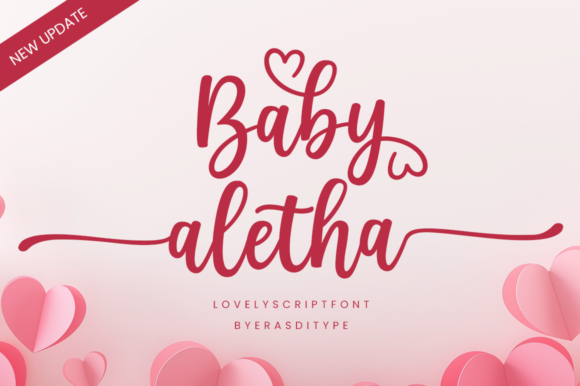
Baby Aletha: A Romantic Script Typeface for Editorial Design
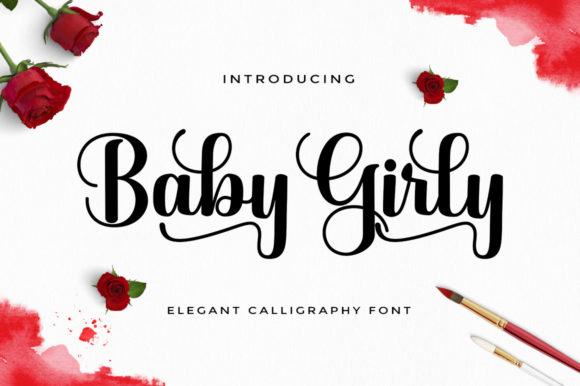
I was staring at a blank Canva canvas, trying to give my latest recipe ebook a sense of warmth and intimacy. The photography was bright and airy, but the typography felt too rigid, too corporate. I needed something that whispered rather than shouted. That is when I pulled up Baby Aletha, a romantic and sweet calligraphy typeface with characters that dance along the baseline. It immediately softened the entire composition, adding a luxury spark to any design project that you wish to create. This font is PUA encode, which gave me the flexibility to use special ligatures and alternates without worrying about standard character mapping limitations.
Baby Aletha as a Display Font for Lifestyle Blog Headers
When designing a lifestyle blog redesign, the header is the first thing your audience sees, setting the emotional tone before they read a single word of body copy. Baby Aletha works exceptionally well here because its handwritten nature feels personal, like a letter from a friend. Unlike rigid sans serif fonts that can feel cold, this script font invites the reader in. The characters’ playful movement along the baseline creates a rhythm that guides the eye across the screen, making it perfect for site titles or prominent section headers. By using this display font for your main branding elements, you establish a distinct visual identity that stands out in a crowded digital space. It adds personality without sacrificing legibility, provided you keep the text size large enough to appreciate the delicate curves.
Baby Aletha for Wedding Invitations and Elegant Branding
The wedding industry relies heavily on emotion and aesthetics, making Baby Aletha an ideal choice for couples looking for a modern yet classic look. Its sweet, calligraphic style mimics the elegance of traditional penmanship while maintaining a contemporary flair. When used for wedding invitations, save-the-dates, or menu cards, the font adds a layer of sophistication that resonates with guests. Because it is a Script Handwritten typeface, it pairs beautifully with minimalist layouts, allowing the negative space to let the letters breathe. For editorial designers creating brand kits for wedding planners or photographers, including this font ensures consistency across all touchpoints, from social media graphics to printed stationery. The luxury spark it provides helps elevate simple designs into premium experiences.
Baby Aletha in Printable Planners and Digital Worksheets
For creators selling digital products on platforms like Etsy or Gumroad, visual appeal is just as important as functionality. I recently tested Baby Aletha in a series of printable planners and coaching worksheets, and the results were striking. While it is not suitable for long-form body text due to its decorative nature, it excels as a heading font for daily goals, weekly themes, or motivational pull quotes. Using this font for section titles breaks up the white space and makes the content feel more engaging and less like a chore. Since this font is PUA encode, you can easily swap out standard characters for more stylized alternatives, ensuring that every page looks unique and handcrafted. This attention to detail increases the perceived value of your digital downloads, encouraging higher conversion rates among buyers who appreciate high-quality design assets.
Baby Aletha for Newsletter Graphics and Social Media Content
In the fast-scrolling world of email marketing and social media, grabbing attention quickly is crucial. Baby Aletha serves as an excellent accent font for newsletter graphics and Instagram stories. Imagine a clean, minimal layout with a strong serif font for the body text, contrasted by a bold headline in this script typeface. The juxtaposition creates visual interest and highlights the most important information. Whether you are announcing a new course, sharing a quick tip, or promoting a limited-time offer, the romantic and sweet aesthetic of Baby Aletha draws the eye and encourages clicks. Its versatility allows it to fit seamlessly into various color palettes, from pastel tones to deep, rich hues, making it a reliable tool for maintaining brand consistency across different platforms.
Baby Aletha for Ebook Covers and Chapter Openers
An ebook cover needs to communicate genre and mood instantly. For non-fiction books focused on wellness, creativity, or self-improvement, Baby Aletha offers a friendly and approachable vibe. It suggests that the content inside is accessible and human-centered. Beyond the cover, this font shines in chapter openers and drop caps within the interior layout. Using it for these transitional elements helps guide the reader through the narrative, providing a visual break that refreshes their eyes. When paired with a highly readable serif font for the main text, the combination balances beauty with usability. The script’s inherent elegance adds a touch of professionalism to independent publications, helping them compete with traditionally published works in terms of design quality.
Baby Aletha for Magazine Covers and Editorial Features
Editorial design demands a strong hierarchy to manage complex layouts with multiple articles and images. Baby Aletha can be strategically used for pull quotes, subheadings, or feature story titles to inject personality into otherwise structured grids. Its ability to add a luxury spark to any design project means it can transform a standard magazine spread into something memorable. However, restraint is key; overusing a decorative font can clutter the page and distract from the content. Instead, use it sparingly to highlight key moments or emotions within the article. This selective application ensures that the font remains impactful and does not compete with photographs or other graphical elements. For digital magazines, the font’s scalability ensures it looks crisp on both desktop monitors and mobile devices.
Practical Considerations for Using Script Handwritten Fonts
Before incorporating Baby Aletha into your projects, it is essential to understand its technical specifications and best practices. As a Script Handwritten typeface, it requires careful consideration of line height and letter spacing to maintain readability. Avoid using it for paragraphs or dense blocks of text, as this can strain the reader’s eyes. Instead, reserve it for short phrases, titles, and decorative accents. Always check the included styles, alternates, and ligatures to maximize the font’s potential. Since this font is PUA encode, ensure your design software supports these extended character sets to access all available variations. Additionally, verify the commercial licensing terms if you plan to use the font in client publications, paid newsletters, or mass-produced print materials. Proper usage enhances the overall quality of your work and respects the designer’s intellectual property.
Baby Aletha for Course PDFs and Educational Materials
Online educators and course creators often struggle to make their materials feel engaging rather than dry. Baby Aletha can bridge this gap by adding a personal touch to educational content. Use it for lesson titles, quiz headings, or certificate templates to create a sense of accomplishment and celebration. The font’s romantic and sweet character aligns well with subjects like arts, crafts, writing, and lifestyle coaching. When designing course modules, pair this script font with a clean sans serif font for instructions and explanations to ensure clarity. This combination provides a balanced reading experience that keeps students motivated and focused. The luxury spark it adds to certificates and completion badges also enhances the perceived value of the course, making learners feel proud of their achievements.
Final Thoughts on Typography Choices
Selecting the right typeface is a critical decision that influences how your audience perceives your brand. Baby Aletha offers a unique blend of romance, sweetness, and elegance that can elevate various design projects. From blog headers to wedding invitations, its versatility makes it a valuable addition to any designer’s toolkit. By understanding its strengths and limitations, you can use it effectively to enhance visual hierarchy, engage readers, and create memorable experiences. Whether you are working on a small personal project or a large-scale editorial campaign, this font has the potential to add a distinctive charm that sets your work apart. Explore its capabilities, experiment with different pairings, and discover how it can transform your creative vision into reality.