Scarletty: The Elegant Handwritten Font for Distinctive Brand Identity
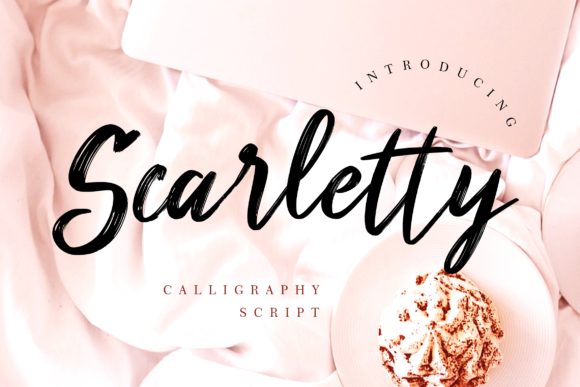
When I first started my small business, I realized quickly that Scarletty was more than just a pretty typeface; it was the visual voice that helped me stand out in a crowded market. As an entrepreneur, you know that every touchpoint—from your website to your product packaging—needs to communicate trust and style instantly. This elegant handwritten font offers the kind of sophisticated personality that turns casual browsers into loyal customers. By integrating Scarletty into your brand toolkit, you can create designs that feel personal yet polished, ensuring your business looks consistent across all platforms.
Why Scarletty Elevates Boutique Branding and Packaging Design
In the world of modern typography, finding a script handwritten style that doesn’t sacrifice readability is a challenge, but Scarletty strikes that perfect balance. For boutique owners, café operators, and handmade product sellers, the visual appeal of your materials is often the first thing a customer notices. A generic sans serif might look clean, but it rarely conveys warmth or luxury. Scarletty, with its flowing lines and refined structure, adds an immediate layer of elegance to any project. Whether you are designing labels for artisanal soaps, creating menus for a cozy coffee shop, or crafting digital ads for a fashion brand, this font helps your business appear established and high-quality. It transforms simple text into a design element that draws the eye and invites closer inspection, which is crucial when you are trying to build a recognizable brand identity from scratch.
Scarletty for Social Media Graphics and Digital Marketing
Social media is where many small businesses win or lose attention, and Scarletty proves incredibly versatile when used for social media graphics. On platforms like Instagram and Pinterest, users scroll rapidly, so your visuals need to stop them in their tracks. Using Scarletty as a headline font on your posts allows you to convey emotion and style without cluttering the design. It works beautifully for quote graphics, promotional announcements, and event flyers. Because Scarletty is an elegant handwritten font, it pairs exceptionally well with minimalist backgrounds, allowing the typography to take center stage. When you use Fonts that reflect your brand’s unique mood, you create a cohesive feed that feels curated rather than chaotic. This consistency builds familiarity, making your audience more likely to engage with your content and click through to your online store.
Using Scarletty for Logos and Business Card Design
Your logo is the anchor of your brand, and choosing the right typeface is critical. While some designers shy away from script fonts for logos due to legibility concerns, Scarletty is structured enough to serve as a primary logo font for creative agencies, wellness coaches, and lifestyle brands. Its name alone suggests passion and vibrancy, aligning perfectly with businesses that want to appear approachable yet professional. When paired with a clean sans serif font for secondary information, such as contact details or taglines, Scarletty creates a dynamic contrast that is both memorable and easy to read. This combination ensures that your business card design remains functional while still showcasing artistic flair. Clients remember how a brand makes them feel, and a well-executed logo using Scarletty communicates creativity and attention to detail before a single word is spoken.
Scarletty for Product Labels and Packaging Materials
For entrepreneurs selling physical goods, packaging is a powerful marketing tool. Unboxing experiences matter, and the typography on your product labels sets the tone for what’s inside. Scarletty shines when applied to product labels because its elegant curves suggest premium quality. Imagine seeing this font printed on a candle jar, a wine bottle, or a cosmetic tube—it immediately signals that the product is crafted with care. When designing packaging, consider how Scarletty interacts with different textures and colors. It works wonderfully on matte finishes, kraft paper, and glossy coatings. By using Scarletty consistently across your entire product line, you create a unified shelf presence that helps your items stand out among competitors. This level of detail shows customers that you value presentation, which can justify higher price points and foster brand loyalty.
Font Pairing Strategies for Balanced Brand Identity
To get the most out of Scarletty, it is essential to understand how to pair it with other typefaces. A common mistake small business owners make is using too many decorative fonts, which can make a brand look messy. Instead, let Scarletty be the star by pairing it with neutral, highly readable fonts. For example, combine Scarletty with a geometric sans serif for headers and body text on your website or in email newsletters. This pairing ensures that while your headlines capture attention with personality, your informational content remains accessible. Alternatively, you might pair it with a classic serif font for a more traditional, literary, or upscale aesthetic. Experimenting with these combinations helps you find a rhythm that suits your specific industry. Remember, the goal is harmony; Scarletty provides the character, while your supporting fonts provide the structure.
Practical Tips for Implementing Scarletty Across Your Business
Before fully committing to Scarletty for your entire brand, it is wise to test it in real-world scenarios. Download a sample pack if available and apply the font to mockups of your actual products. Check how it looks at small sizes, such as on a business card address or a social media thumbnail, to ensure it retains its legibility. Also, consider the context of your audience; if your brand targets a corporate B2B sector, you might use Scarletty sparingly as an accent rather than a primary font. However, for consumer-facing brands in beauty, food, fashion, and lifestyle, it can play a much larger role. Always verify the commercial license for the script handwritten style you choose to ensure you are compliant when using it on merchandise, templates, or client work. Investing time in proper implementation pays off by creating a brand identity that feels intentional, professional, and distinctly yours.